
From the Vine to Foundation: A Full-Circle Story
A dentist named Thomas Welch had a problem.
It was 1869 and his Methodist church still served wine at communion even though he’d sworn off alcohol after watching what it did to families and communities.
Welch had been reading about Louis Pasteur’s new theories on germs, and he wondered: what if he cooked the juice from the Concord grapes in his Vineland, New Jersey backyard, sealed it, and heated it again? Would it stay unfermented?
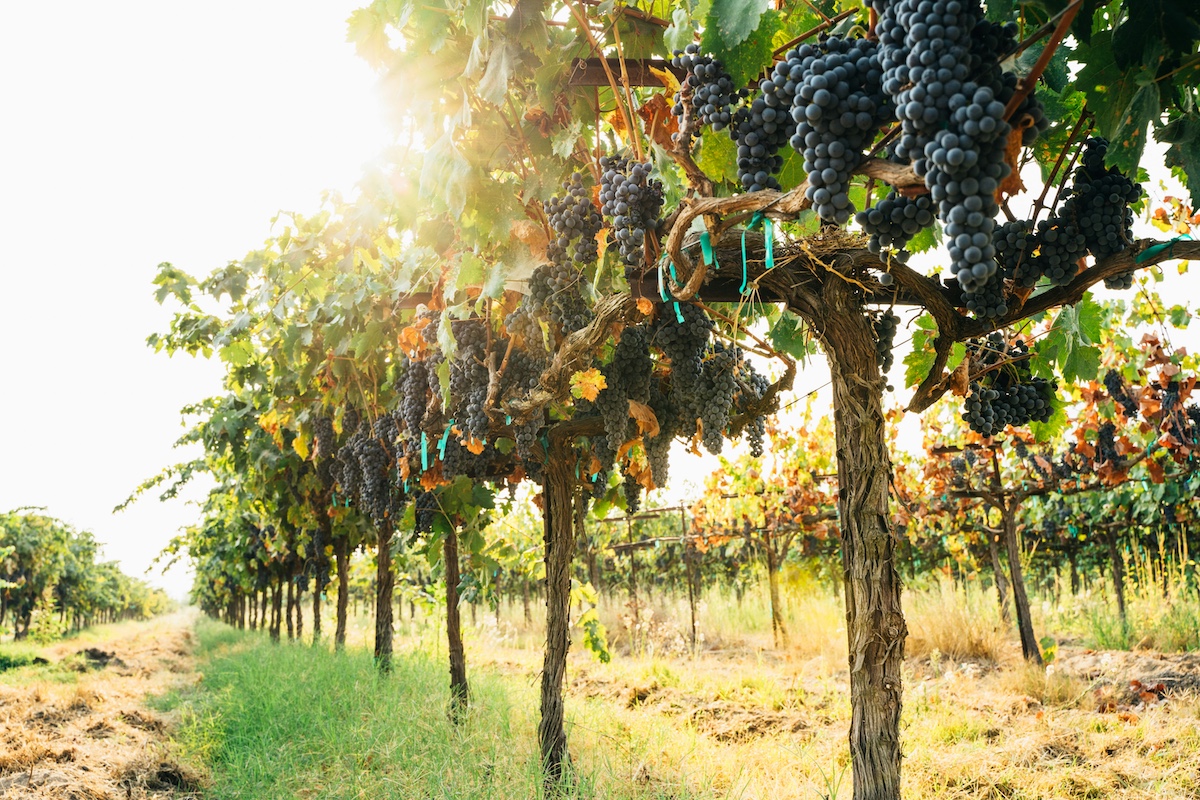
It did. Welch called his creation “unfermented sacramental wine,” and soon neighboring Methodist churches were asking him to make it for them too. His son Charles saw an even bigger opportunity, built a company, and chased the Concord grape wherever it grew best at the scale he needed, first to New Jersey’s limits, then to Watkins Glen, New York, and finally, in 1898, to the grape belt of Westfield, New York, where demand outgrew the harvest twice more before 1905.
Charles Welch, who worshiped at what is now Westfield United Methodist Church, wasn’t chasing personal wealth. He built the business to fund Methodist missionary work abroad. It just so happened that his entrepreneurial spirit achieved what we’d call today a double bottom line. He did well by doing good.
That history isn’t just trivia to Steve Cockram. He spent more than 40 years in the fruit juice industry, the last 20 running a small Concord grape co-op right across the tracks from the original Welch’s plant in Westfield. Growers Cooperative Grape Juice Co., Inc. were “the little guys to keep the big Welch’s honest,” he jokes. Now retired, Cockram still worships at that same Westfield church, in the same building where Charles Welch once knelt.
A few years ago, Cockram took on overseeing his church’s investments. A conversation about the Book of Discipline’s screening requirements at an annual conference convinced him his previous investment strategy couldn’t meet the standard the denomination expects. That led him to move the church’s funds to the United Methodist Foundation.
It’s a fitting turn: the grape that once solved a crisis of conscience over communion wine is now, through one of its own stewards, helping a local church put its money where its values are.
That is what stewardship looks like.